


 A portion of mankind fuels their creativity with what is foreign to them yet what has always been; perhaps as reverence, perhaps as appropriation. Perhaps, as a harmonious synergy of both.
Nature has been referenced to death — leaves on prints, flowers on fabrics, eco-whatever slogans — but that’s not what’s happening here. The small makers, the ones working from their kitchens, garages, or backyards, are building a new kind of relationship with it. They don’t romanticize nature; they treat it like a collaborator that occasionally fights back. When you see their pieces up close, you notice how raw they are. A necklace that still smells faintly of wood smoke. A bag sewn from scraps that didn’t match, and that’s exactly why it works.
The process isn’t clean or linear. They use what’s at hand — broken beads, leftover fabric, deadstock leather, found metal. Things with dents, stains, and histories already built in. This way of working has less to do with nostalgia and more to do with instinct. It’s a response. The world is overflowing with discarded materials, so they start there.
They pull from the pile, rework what’s been left behind, and find a new shape in the chaos. The results feel handmade in a way that’s almost uncomfortable — threads visible, seams uneven, edges left rough. But that honesty is the point. They don’t try to mimic nature’s smoothness — they mirror its unpredictability. A branch doesn’t grow symmetrically , a rock doesn’t polish itself evenly, and these creators seem to get that.
Their work follows the same kind of logic: nothing forced, nothing perfectly aligned to polish. What comes out of this process feels alive. You can sense the touch of the maker, the stubbornness of the material, the compromise between both. It’s a collaboration that doesn’t pretend to be harmonious. Nature gives, but it also restricts. It cracks, it bends, it rots. These pieces carry that tension — beauty that’s temporary, beauty that’s earned. And maybe that’s why they stand out in a world addicted to polish. They remind you that craft can be messy, that elegance doesn’t need precision. When small creators use nature as a muse, they’re not chasing purity. They’re learning to work with what refuses to be controlled.
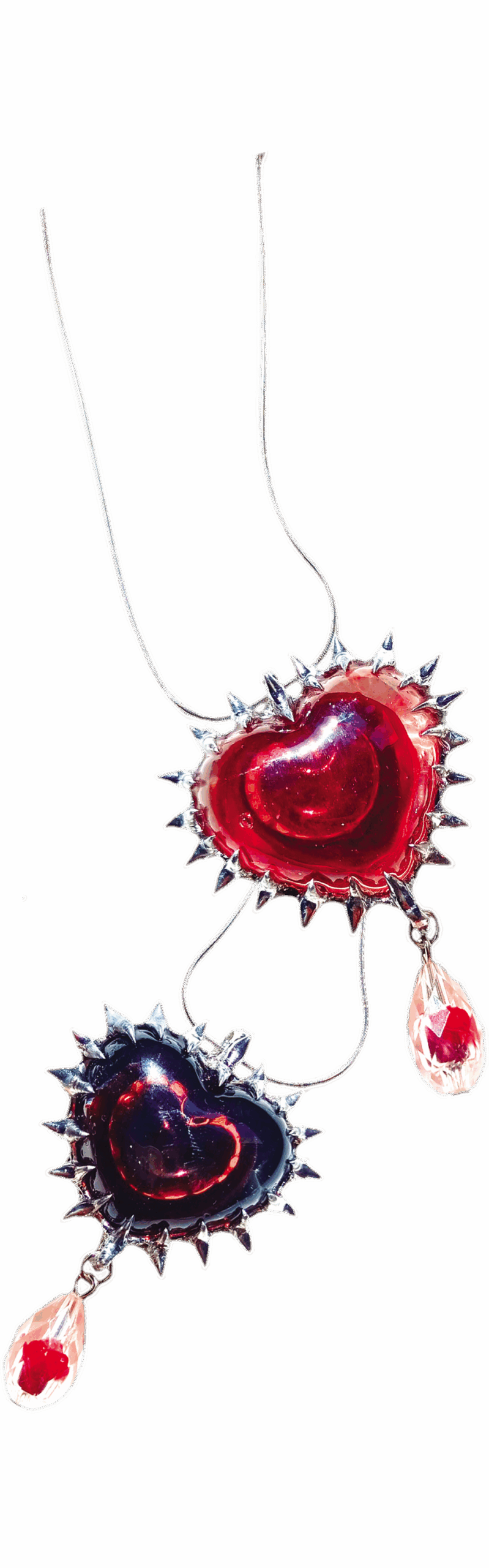
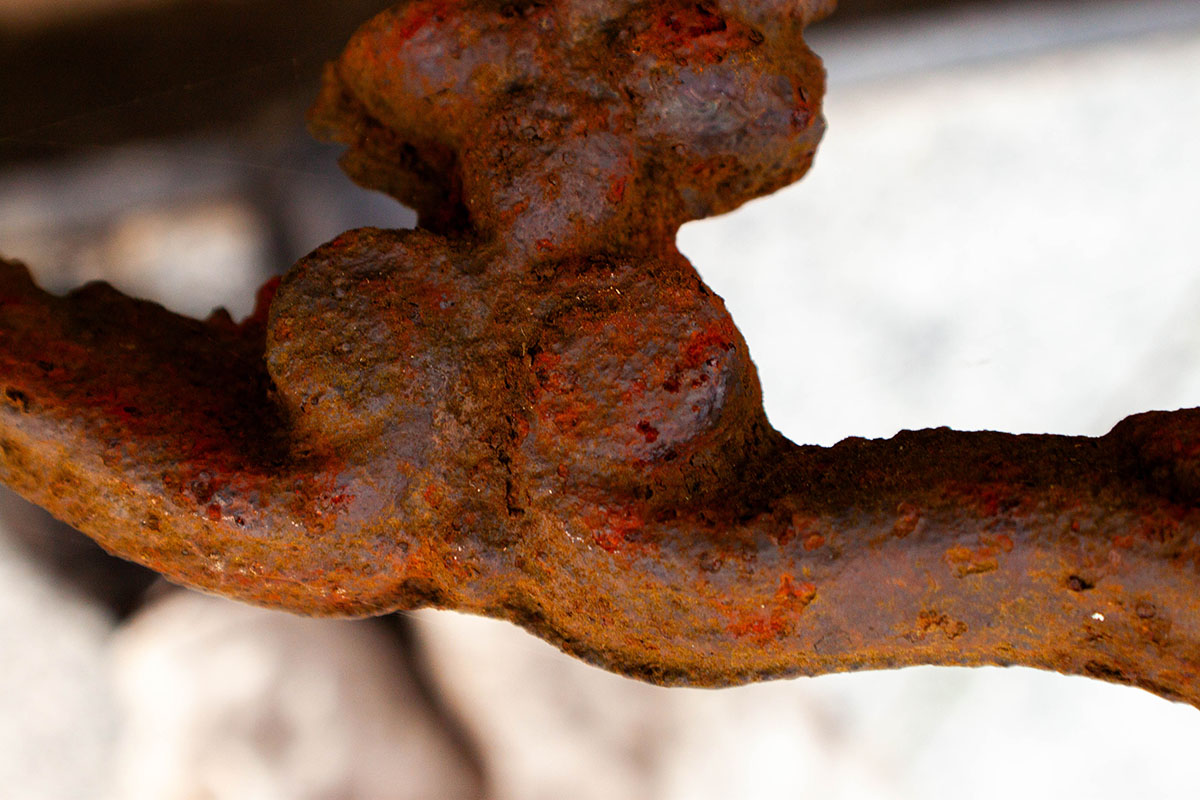
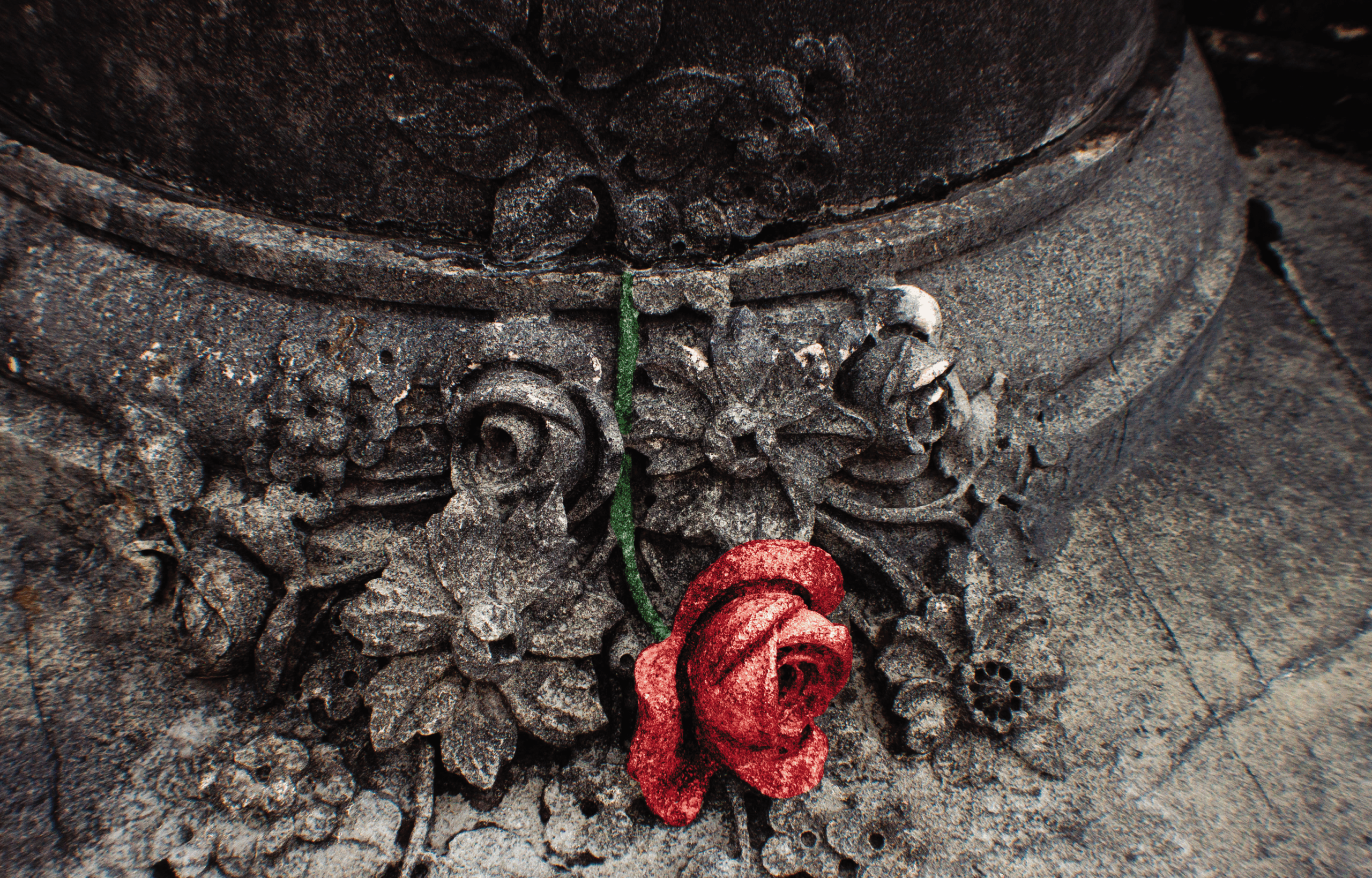
Petrified Roses
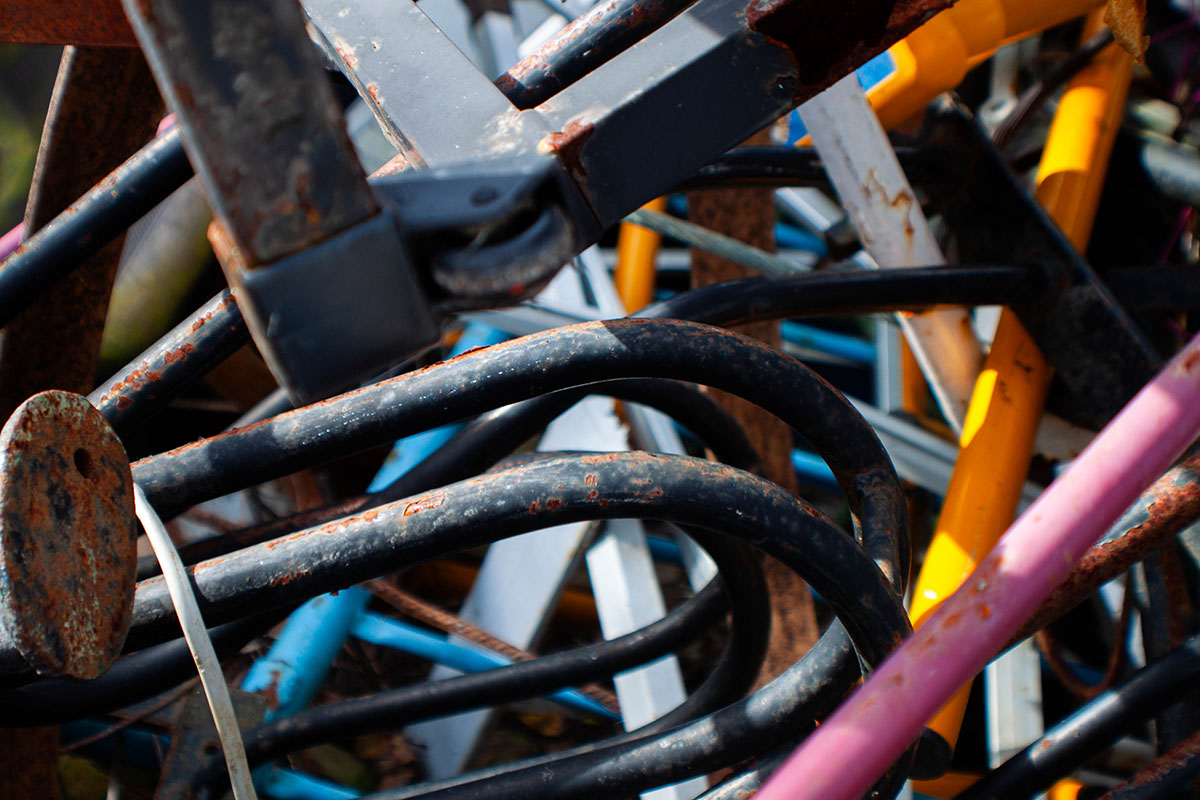
Free Material

Stone Angel


Deja tu comentario