

 In a world that encourages competition and rivalry, it’s only natural that adds and posters serve as a city’s extensive wardrobe.
Every wall carries a message. Posters on top of posters, vinyl over paper, paint still showing underneath. The faces change, the fonts shift, the offer stays the same. Buy something, become something, fix yourself with what we’re selling. The city breathes this language. It fills bus stops, escalators, garbage bins, sidewalks.
Walking feels like scrolling now. Billboards flick between images faster than a glance can keep up with. Sneakers, phones, drinks, pills — each one promising a cleaner version of your own life. Nothing’s quiet. Even the concrete starts to look branded, layered with color that used to mean protest but now means product. The rhythm of these loud streets quickly got replaced by campaign cycles. Workers are pasting at 3 a.m., tearing down last week’s slogans to make space for new hot ones. The air smells like glue and ink, mixed with exhaust.
You start to forget what the buildings actually look like beneath the layers. Every surface competes for the same two seconds of attention. Ads talking to each other, drowning themselves out. Logos glowing through rain. Banners sliding down cracked glass. You catch flying fragments — a model’s smile, a word like New, Limitless — and they follow you until the next corner. Even the quietest of silence looks sponsored.
Screens follow you before you even look for them. Windows flicker with product videos, taxis run ads on their roofs, storefronts hum with motion graphics. The sky’s reflection comes mixed with color grading and brand slogans. It’s hard to tell where light ends and marketing begins. Billboards turn faster than the weather. A face selling perfume at noon is gone by night, replaced by a phone, a sneaker, a movie trailer. The walls absorb everything and forget nothing. Torn paper stays under fresh glue, fragments of campaigns that never fully disappear.
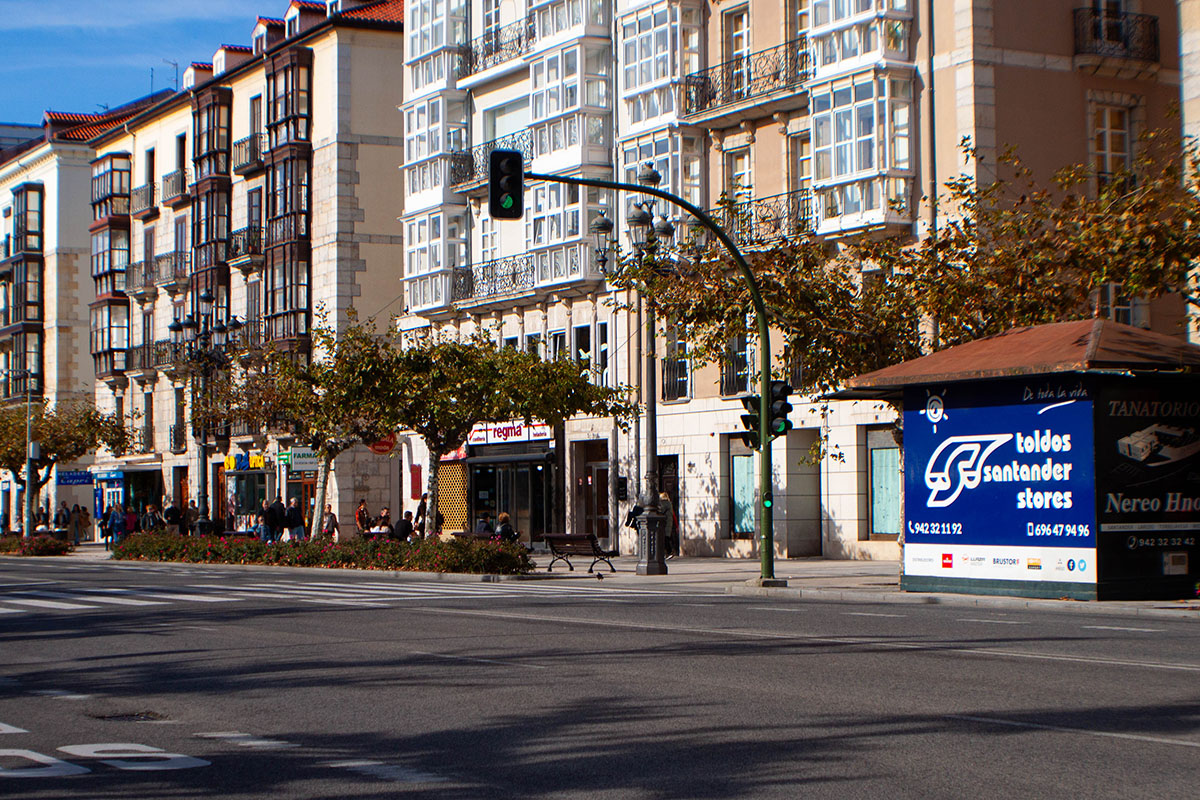
commerce
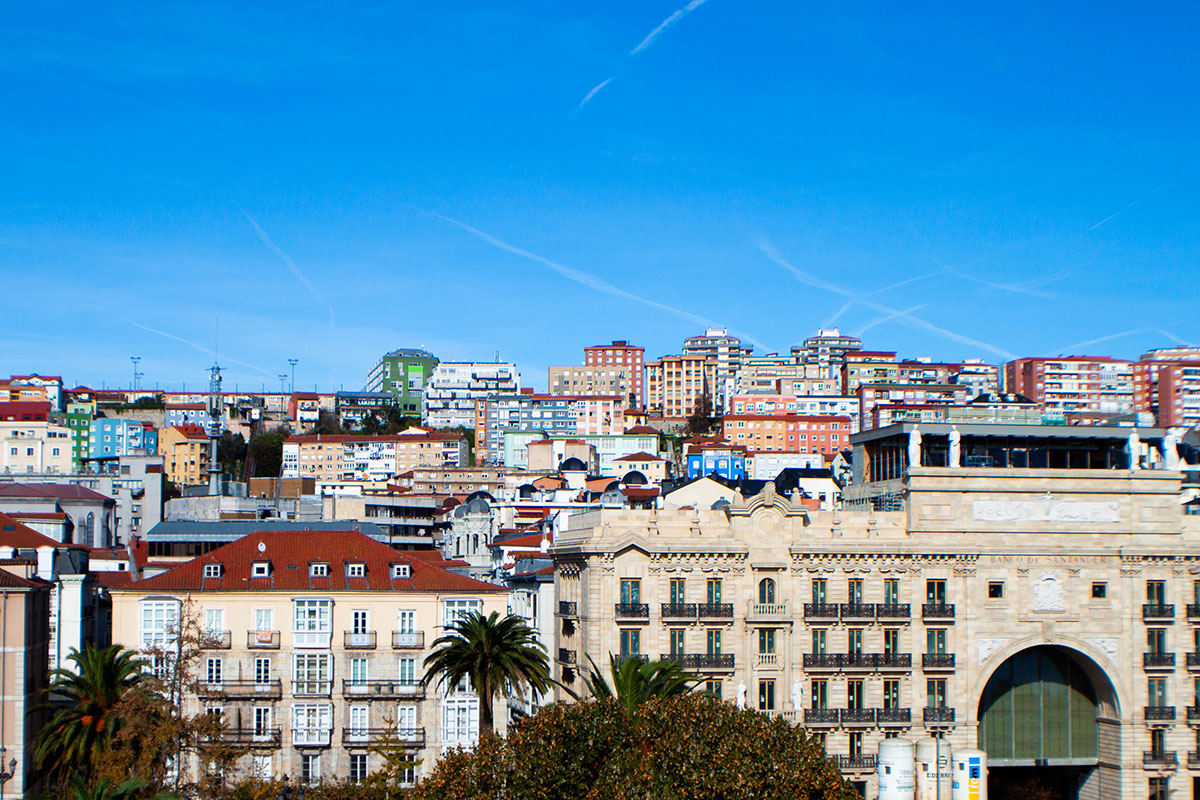
rooftops
results

Deja tu comentario